Slim and Stylish: The Rise of Minimalist Leather Wallets for Men

In a world that often glorifies excess, simplicity is making a comeback, especially in the realm of men’s accessories. The rise of minimalist leather wallets is a testament to this shift, where less truly means more. In this exploration, we delve into the elegance and practicality that minimalist man’s leather wallets bring to the modern man’s pocket.

**1. Embracing Minimalism: Less is More

Minimalist leather wallets embody the fundamental principle of minimalism—simplicity and functionality. They strip away the unnecessary, leaving behind a sleek and uncomplicated design. This approach resonates with individuals seeking a clutter-free lifestyle, reflected even in the contents of their pockets.

**2. Slim and Compact: Ideal for Today’s Lifestyle

Modern life demands flexibility and mobility. Minimalist leather wallets are designed to be slim and compact, ensuring they slide easily into your pocket without creating an unsightly bulge. This feature makes them ideal for the contemporary man on the move.

**3. Efficiency and Organization: A Place for Everything

Despite their streamlined design, minimalist leather wallets are remarkably efficient in organization. They provide designated slots for essential cards and a compartment for cash. This meticulous organization ensures that despite the wallet’s minimal size, everything you need has its place.

**4. Durability and Quality: No Compromises

Even in their pursuit of simplicity, minimalist leather wallets do not compromise on quality. They are often crafted from high-grade leather, ensuring durability and longevity. The focus remains on creating a product that can endure the test of time while staying true to its minimalist roots.

**5. Versatility in Design: Adapting to Your Style

Minimalist leather wallets come in a variety of designs to match individual preferences. Whether you prefer a bi-fold, tri-fold, cardholder, or money clip, there’s a minimalist option to suit your needs. The design versatility ensures that you can find a wallet that aligns perfectly with your lifestyle and aesthetic.

**6. Sophistication in Simplicity: Aesthetics that Matter

While minimalist wallets are about simplicity, they don’t sacrifice aesthetics. Their clean lines, uncluttered surfaces, and understated elegance exude a sense of sophistication. They make a subtle statement, emphasizing the beauty of restraint and the allure of simplicity.

**7. Eco-Friendly Appeal: Conscious Choices

For those environmentally conscious, minimalist leather wallets offer an eco-friendly choice. By focusing on essential design and quality, they often promote sustainability and a reduced carbon footprint, aligning with the values of the eco-aware consumer.

Conclusion: The Essence of Effortless Style

Minimalist leather wallets encapsulate the essence of effortless style. They embrace simplicity, functionality, and quality, providing a canvas for the modern man to express his lifestyle. The rise of these wallets marks a shift towards a more uncomplicated, intentional way of living—one where every possession serves a purpose, and less truly is more.

Minimalism Redefined: Choose Your Minimalist Wallet

Ready to embrace the elegance of minimalism? Explore the diverse range of minimalist leather wallets and choose one that resonates with your style and values. Let your wallet be a statement of uncluttered elegance, accompanying you through the dynamic chapters of your life.

How Accounting Software Reduces Costs and Increases Efficiency to Save the Most

Introduction

Saving time and money is essential for being competitive and achieving sustainable development in the fast-paced world of business. Every business needs accounting, yet it frequently entails labor-intensive activities, rigorous record-keeping, and a large amount of human labour. Accounting software has been a game-changer for firms, enabling them to cut costs on accounting fees and other expenses by automating procedures and minimising mistakes. In this article, we will examine how accounting software improves accuracy while streamlining financial procedures and reducing expenses.

1. Data entry and reconciliation that is automated

Manual data input takes a lot of time and is prone to mistakes. Costly errors might result from transposing numbers, entering data incorrectly, or failing to notice transactions. By linking to bank accounts and other financial systems, accounting software streamlines data entry. As a result, there is no longer any need for manual entry, drastically lowering the possibility of transcribing mistakes. Automated data input allows accountants to concentrate on duties of higher value, thereby saving time and lowering accounting costs.

Additionally, automatic reconciliation tools in accounting software match up entries in the accounting records with bank transactions. The accuracy and currentness of all financial data are guaranteed by this reconciliation procedure. Additionally, it reduces the amount of time that must be spent manually locating and resolving inconsistencies, which lowers accounting costs and averts expensive mistakes.

Accounting is a crucial component of every organization, regardless of how big or little, and Aplus is aware of this. Consequently, it is essential that accounting, or Sql Accounting, be carried out accurately, precisely, and effectively. Additionally, Aplus provides a comprehensive suite of cloud-based accounting software that is made to assist companies of all sizes in managing their finances more efficiently. You can relax knowing that your data is always safe and secure with Aplus and that you have access to the most up-to-date features and capabilities on the market right now. Additionally, Aplus did provides a variety of support alternatives, so you can always obtain the Ubs account assistance you want when you need it. Additionally, if you have any queries about utilizing our software, such as Sql account software, Ubs accounting software, Ubs account, Ubs Accounting, our team of specialists is always here to help. Therefore, A-plus is the best option for you if you’re seeking for a dependable, user-friendly accounting solution for Sql payroll.

2. Efficient Billing and Invoicing

For organisations, creating invoices and controlling the billing process are crucial tasks. However, manually generating invoices, monitoring payments, and balancing accounts can be time- and resource-consuming processes that raise accounting expenses.

By offering simple-to-use templates for preparing and customising invoices, accounting software automates invoicing and billing. Businesses may send invoices electronically and even programme automated payment reminders thanks to the automation of invoice creation and distribution. Accounting software not only saves time and money by lowering the administrative burden connected with billing, but it also enhances cash flow management.

3. Managing and Tracking Expenses

For organisations, keeping track of and controlling costs may be extremely difficult, especially when dealing with paper receipts or spreadsheet-based expense claims. These manual procedures take a lot of time and are prone to mistakes and inefficiency.

Accounting software offers digital solutions that make expenditure management easier. Employees may submit costs online by frequently only taking a snapshot of the receipt or scanning the paperwork. The time and effort needed for human data input is reduced when the software categorises and links costs to related transactions. This simplified procedure improves accuracy, minimises the possibility of expenditure-related mistakes, and lowers the total expense management cost.

4. Processing Payroll Automatically

Payroll is a vital corporate operation, but it is complicated due to factors including tax computations, benefit deductions, and labour law compliance. Payroll processing manually may be time-consuming and prone to mistakes, which can result in expensive errors and fines.

Payroll processing is automated by accounting software by using specified rules and parameters to precisely compute wages, taxes, and deductions. Additionally, it can produce pay stubs and reports, streamlining the whole payroll procedure. Accounting software lowers accounting costs by minimising the time and effort required to handle payroll. This also reduces the possibility of costly payroll mistakes and compliance problems.

5. Accounting and Compliance

The creation of financial statements, tax returns, and compliance documents is financial reporting, a crucial component of accounting. These duties frequently call for intense physical labour and close attention to detail, which raises accounting expenses.

By gathering information from multiple sources and producing standardised reports, accounting software automates financial reporting. Users may construct dashboards and customise these reports to track financial performance in real time. In addition to accelerating the reporting process, automation guarantees accurate financial statements that adhere to all applicable accounting rules and tax laws. Accounting software helps firms save money on accounting costs and lowers the risk of non-compliance fines by lowering the time and effort needed for financial reporting.

6. Scalability and effectiveness

Businesses’ accounting requirements get increasingly complex as they expand. Traditional accounting procedures can become overburdened when dealing with a bigger amount of transactions, a larger staff, and various companies, which raises accounting fees.

Accounting software may be scaled and modified to meet the evolving demands of a firm. Accounting software can support expansion without disproportionately raising accounting expenses, whether it’s adding additional users, entering new markets, or connecting with other systems. Accounting software is the perfect answer for organisations of all sizes due to its scalability, which increases productivity and cost-effectiveness.

7. Error and risk reduction

Due to their inherent error-proneness, manual accounting methods might result in financial losses, audits, or compliance problems that incur additional costs. Accounting software automates computations, reconciliations, and compliance checks to reduce human error.

Accounting software assists organisations in saving money on accounting expenses connected to error resolution and audit assistance by lowering the risk of expensive errors. Additionally, it reduces the possibility of financial losses brought on by errors in tax returns or financial records.

8. Increased Cooperation

For effective financial management, team members, accountants, and financial consultants must work well together. Email attachments and other conventional means of transmitting financial data might result in inefficiencies and possible mistakes.

Collaboration tools are frequently included in accounting software, enabling users to securely view and exchange financial data in real-time. This encourages openness and seamless communication while cutting down on the time and effort needed to resolve disagreements or clarify financial information. Accounting software improves cooperation, which speeds up procedures and lowers costs related to ineffective communication.

Conclusion

By automating processes, lowering mistakes, and increasing efficiency, accounting software is a potent instrument that enables firms to cut costs on accounting fees and other expenditures. Accounting software simplifies all aspects of financial operations, including data input and reconciliation, payroll processing, cost management, and invoicing.

Businesses may improve their financial operations, reduce the possibility of expensive mistakes and compliance problems, and allocate resources more wisely by utilising the features of accounting software. Adopting accounting software is a strategic investment in efficiency, accuracy, and financial stability in a corporate climate that is becoming more and more competitive.

Building Credibility and Trust: The Power of a Well-Established Brand

Introduction

In today’s highly competitive business landscape, trust and credibility are priceless commodities. Customers are bombarded with choices, and they often turn to brands they trust. A well-established brand can make all the difference, as it goes beyond a mere logo or tagline. It’s a promise, an assurance, and a reputation that a company has carefully nurtured over time. In this article, we’ll explore why a well-established brand is a cornerstone of building credibility and trust with customers.

1. Consistency Breeds Confidence

Consistency is at the core of brand establishment. A well-established brand maintains a uniform identity, message, and quality across all interactions with customers. When customers encounter this consistency, whether through a product, service, or communication, it instills confidence. They know what to expect, and this predictability fosters trust.

Example: Consider Starbucks, where you can walk into any store globally and expect a consistent coffee experience. This consistency reinforces trust in the brand.

2. Recognition and Familiarity

A well-established brand is instantly recognizable. Customers are more likely to choose a brand they recognize over an unfamiliar one. Familiarity breeds comfort, and customers are more willing to engage with, buy from, or support a brand they have seen and heard of frequently.

Example: The golden arches of McDonald’s are a symbol recognized worldwide. This recognition not only attracts customers but also reassures them about the quality and consistency of the food.

3. Perceived Quality and Value

A strong brand carries with it an aura of quality and value. Customers associate a well-established brand with reliability, durability, and excellence. This perception often leads customers to believe that the brand’s products or services are superior to those of competitors.

Example: Apple is known for its high-quality and innovative products. The brand’s reputation for excellence in design and functionality has built a dedicated customer base.

4. Emotional Connection

A well-established brand has often succeeded in forging emotional connections with its customers. Customers don’t just buy products or services; they invest in experiences and values. A brand that aligns with a customer’s beliefs and resonates on an emotional level is more likely to build trust and loyalty.

Example: Nike’s “Just Do It” slogan goes beyond sneakers; it represents a mindset of determination and achievement, which many customers identify with.

5. Positive Customer Experiences

A well-established brand prioritizes delivering positive customer experiences. From the user-friendly website to the customer support hotline, every touchpoint is designed to make the customer feel valued and heard. These experiences create a positive perception of the brand and reinforce trust.

Example: Amazon’s relentless focus on customer experience, from hassle-free returns to fast shipping, has contributed to its reputation as a customer-centric company.

6. Reliability and Dependability

Customers want to feel secure in their choices, and a well-established brand represents reliability and dependability. Such a brand is perceived as less risky, and customers are more likely to trust that it will deliver on its promises.

Example: FedEx’s iconic “When it absolutely, positively has to be there overnight” slogan reflects the brand’s commitment to reliability and dependability in the delivery industry.

7. Word-of-Mouth Recommendations

A strong brand often benefits from positive word-of-mouth recommendations. Satisfied customers become brand advocates, sharing their positive experiences with friends, family, and colleagues. These recommendations carry immense credibility and can significantly influence purchasing decisions.

Example: Tesla’s electric vehicles have a devoted fan base, with owners often becoming enthusiastic advocates for the brand.

8. Stability in Times of Change

A well-established brand provides a sense of stability, especially during turbulent times. In times of economic uncertainty or market fluctuations, customers are more likely to stick with brands they trust rather than experimenting with unknown options.

Example: During the 2008 financial crisis, established banks with a history of trust and credibility were more likely to retain customers compared to lesser-known institutions.

9. Adaptability and Innovation

A brand that stands the test of time is often one that has adapted to changing customer needs and market dynamics. A well-established brand is seen as not only reliable but also innovative, willing to evolve to meet the evolving demands of its customers.

Example: IBM, once known primarily for its hardware, successfully transitioned to focus on software and services, showcasing its ability to adapt and innovate.

10. Commitment to Social Responsibility

Many well-established brands are committed to social responsibility and sustainability. They use their influence and resources to make a positive impact on society and the environment. This commitment can help build trust and credibility with customers who value ethical practices.

Example: Patagonia, an outdoor apparel brand, is well-known for its commitment to environmental and social responsibility. This dedication resonates with customers who share similar values.

11. find a good creative agency

Are you searching for a design company in Malaysia? Who will create a trustworthy brand for your business? If your firm has a strong brand, it will continue to grow successfully for many years. There is more to a powerful brand than just a website, social media presence, or logo. A brand is the everything. A brand is the culmination of a logo, colors, symbols, slogan, voice, vision, and purpose. Your brand is what you want others to know about you. More than only attractive brand elements are used to build a great brand. It’s crucial to start with good intentions. Jumixdesign Malaysia has created a thorough guide to assist you in defining and establishing the identity of your company. Jumixdesign  is best for creative agency malaysia

Conclusion

A well-established brand is a priceless asset that can significantly influence a startup’s success. It provides consistency, recognition, perceived quality, emotional connections, and a positive customer experience. Furthermore, it instills trust and credibility in customers who seek reliability, dependability, and stability. As startups strive to differentiate themselves in competitive markets, building a strong brand should be a top priority. It’s not just about logos and slogans; it’s about crafting an identity that resonates with customers, reflects your values, and ultimately creates lasting trust and credibility. In a world where choices are abundant, a well-established brand can be the anchor that keeps customers coming back, and it’s an investment that pays dividends for years to come.

Termite Control Challenges in Different Regions: Strategies for Various Climates

Termite control strategies can vary significantly depending on the region and climate in which you live. Termites are found in many parts of the world, and their behavior and prevalence can be influenced by factors such as temperature, humidity, and seasonal changes. In this article, we’ll explore the challenges of termite control Malaysia in different regions and provide strategies tailored to various climates.

1. Warm and Humid Climates

Challenges:

  • In warm and humid regions, such as tropical and subtropical areas, termites are highly active year-round due to favorable conditions.
  • The high humidity levels provide an ideal environment for termites, making infestations more likely and challenging to control.
  • Traditional construction materials, like wood, are susceptible to termite damage in these climates.

Strategies:

  • Regular Inspections: Due to the constant threat of termite activity, homeowners in warm and humid climates should conduct frequent inspections of their properties. Look for mud tubes, damaged wood, or swarming termites.
  • Termiticide Barriers: Pre-construction or post-construction termiticide treatments are common in these regions. Barrier treatments create a protective zone around structures to deter termites.
  • Termite-Resistant Building Materials: Consider using termite-resistant materials for construction, such as concrete, steel, or naturally resistant wood like cedar. These materials are less attractive to termites.
  • Moisture Control: Address moisture issues promptly, as termites are attracted to damp conditions. Proper drainage, ventilation, and dehumidification can help reduce termite activity.

2. Dry and Arid Climates

Challenges:

  • Termites are not as prevalent in arid regions due to the lack of moisture, but they can still be a threat, especially near water sources.
  • In desert climates, subterranean termites may establish colonies around irrigation systems or other water sources.
  • Termites in arid regions often stay underground, making detection more challenging.

Strategies:

  • Reduce Moisture Sources: Address any leaks or sources of standing water near your home. Termites are more likely to be attracted to moisture in dry climates.
  • Regular Inspections: Even in arid regions, it’s essential to conduct regular inspections, especially around the foundation and near water sources.
  • Physical Barriers: Install physical barriers like metal shields or termite-resistant mesh around the foundation to prevent termites from accessing your home.
  • Treatment Zones: Consider creating treatment zones around your property, particularly if you live near an area with known termite activity. This involves applying termiticides in the soil around your home.

3. Temperate Climates

Challenges:

  • In temperate climates with distinct seasons, termites may be less active during colder months but can still pose a threat during the warmer seasons.
  • Seasonal changes can affect termite behavior and activity patterns.
  • Different termite species may be prevalent in temperate regions, each requiring unique control approaches.

Strategies:

  • Seasonal Inspections: Conduct regular inspections, with a particular focus on spring and early summer when termite activity tends to increase.
  • Termite Species Identification: Identify the specific termite species in your region, as treatment methods may vary. Consult a pest control professional if you are uncertain.
  • Preventative Treatments: Consider preventative treatments like bait systems or soil treatments to protect your home during peak termite seasons.
  • Maintain Wood Structures: If you have wooden structures, ensure they are well-maintained and sealed to prevent termite access.

4. Cold and Freezing Climates

Challenges:

  • In cold climates with freezing temperatures, termites are less active and may not survive harsh winters.
  • However, termites can still pose a threat to structures with consistent heat sources or in heated indoor environments.
  • Termite activity tends to be more pronounced in heated basements or crawl spaces during winter months.

Strategies:

  • Insulation and Sealing: Properly insulate and seal your home to minimize heat loss to outdoor environments and reduce the appeal of warm, indoor spaces to termites.
  • Regular Inspections: Continue regular inspections even during colder months, especially in areas with temperature-controlled environments.
  • Treatment of Heated Spaces: If you have heated areas like basements or crawl spaces, consider targeted treatments in these areas to prevent termite infestations.

In conclusion, termite control strategies should be tailored to the specific challenges posed by your region’s climate. Regular inspections, moisture control, and the use of termite-resistant materials are essential components of effective termite management. Consulting with pest control professionals who are familiar with local termite species and behaviors can provide valuable insights and help you develop a customized termite control plan that suits your region’s climate.

Climb Up the SEO Rankings With These Proven Strategies

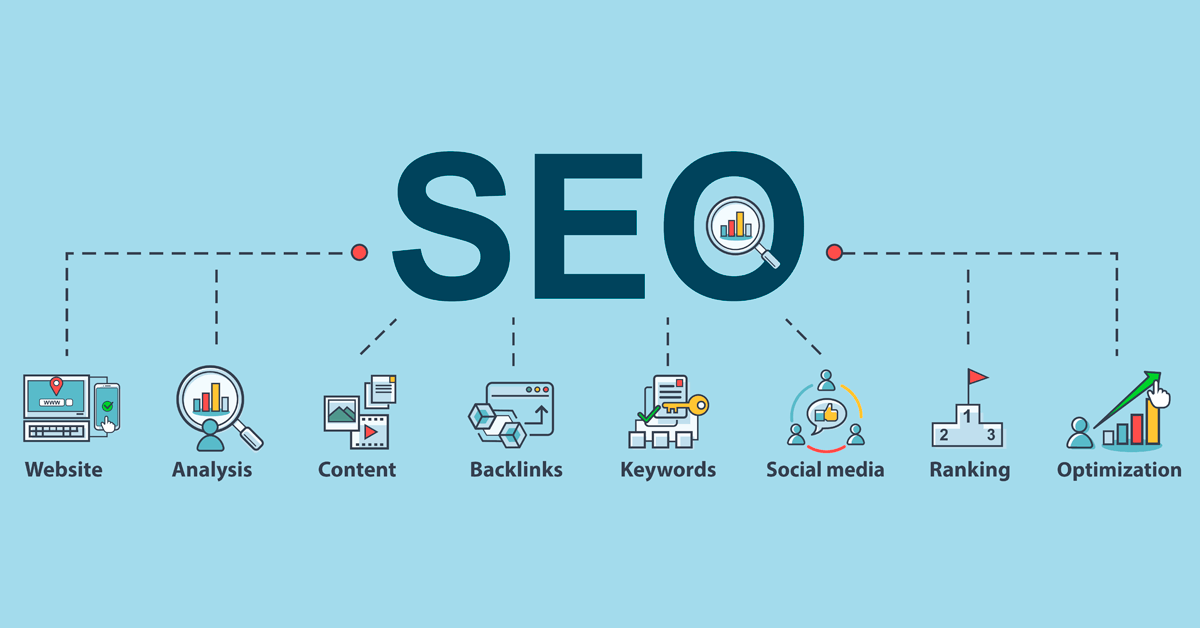
SEO

Are you looking to increase your search engine rankings and boost the visibility of your online business? SEO (Search Engine Optimization) is an essential part of modern web marketing, but it can often be confusing and difficult to implement. Fortunately, with the right strategies and tactics in place, optimizing for high rankings on Google or Bing doesn’t have to feel like such a daunting task. In this blog post, we’ll share some tried-and-true methods that will help you make sure your website stands out from the competition. From understanding technical SEO components to tracking progress with analytics, we’ve got everything you need to climb up those rankings!

What is SEO?

First, let’s review the fundamentals of Malaysia SEO. Search engine optimization is a way to improve your website’s visibility in organic search engine results. This means that when someone uses a search engine like Google or Bing to look up a certain topic, your website will appear on the list of relevant results. The higher you rank on this list, the more likely potential customers are to click through and find out more about your business. To achieve this, you need to employ specific techniques that search engines use to determine website rankings.

SEO Strategies

Keyword Research

The world of digital marketing and SEO can be tricky to navigate, but one thing that always remains consistent is the importance of keyword research. By identifying the terms and topics that are most relevant to your business, you can improve your SEO performance and start to climb the ranks of search engine results pages. It’s not just about peppering your content with as many keywords as possible, however; it’s about using them effectively and organically in a way that makes sense for your audience. Think of keyword research as a way to better understand your target market and what they’re looking for online. With this knowledge, you’ll be able to create content that truly resonates and drives traffic to your website.

Content Optimization

If you’re looking to improve your website’s SEO performance, content optimization is a must. This means making sure your content is not only well-written but also contains appropriate titles, meta descriptions, and headings. These components not only help search engines understand what your content is about but also make it easier for users to navigate and find what they’re looking for. By ensuring that your content is optimized, you not only increase your chances of ranking higher in search engine results but also provide a better user experience for your audience. So, take the time to optimize your content and watch as your SEO performance improves.

Link Building

Link building is one of the most effective ways to boost your website’s SEO performance. By obtaining backlinks from other websites, you can signal to search engines that your content is valuable and trustworthy. In turn, your website can climb higher in search engine rankings, attracting more traffic and potential customers. However, it’s important to focus on high-quality backlinks that come from reputable websites. Spammy or irrelevant links can actually hurt your SEO performance and cause your website to be penalized by search engines. Therefore, it’s crucial to develop a strategic link-building plan that prioritizes quality over quantity. With the right approach, link building can be a powerful tool for improving your website’s visibility and driving business results.

Internal Linking

Internal linking is crucial for any website looking to improve its SEO performance. By linking from one page on your website to another, you can lead users to more valuable content and ensure that search engines crawl your site more effectively. Internal linking also increases visibility, making it easier for users to navigate through your site, find the information they need, and improve their overall experience. This method of optimization is often overlooked, but neglecting it can result in missed opportunities to improve your website’s rankings and drive more traffic to your pages. So take the time to assess your internal linking strategy and make any necessary changes to ensure your website is reaching its full potential.

Image SEO

When it comes to optimizing your website for search engines, there are many factors to consider. One often overlooked aspect is image SEO. By adding ALT tags to your images, you can greatly improve your website’s SEO performance. ALT tags are essentially descriptions of your images, which help search engines understand what they are and how they relate to the content on your site. This can create additional opportunities for your website to rank in search results and ultimately drive more traffic to your site. So if you haven’t already, take the time to add ALT tags to all of the images on your website, and watch as your SEO performance improves.

Monitor & Analyze Results

In today’s competitive digital landscape, it’s crucial to measure the performance of your SEO efforts. Analytics tools can provide valuable insights into the effectiveness of your search engine optimization strategies. By monitoring and analyzing the results, you can identify areas that need improvement and make data-driven decisions to enhance your SEO performance. With a better understanding of how your website is performing in search engines, you can optimize your content, keywords, and overall strategy to stay ahead of the competition and drive more traffic to your site. So, if you want to see better results from your SEO efforts, start monitoring and analyzing your performance with analytics tools today!

Final Thought

Ultimately, due to the constantly changing nature of SEO and search engine algorithms, staying on top of your website’s SEO performance is essential. While keywords, content, links and internal linking are something you can control and work on yourself, monitoring and analyzing the results of your efforts will be the most important part of keeping up with changes in SEO. Knowing which strategies produce the best results based on past data will give you insight into what works for driving organic traffic to your website. Keep these tips in mind to ensure that your website remains visible and relevant amidst ever-evolving industry trends for long-term success for website SEO performance.

This article is posted on Mari Lwyd.

Cardiovascular Health in the Digital Age: How Technology is Revolutionizing Cardiology

Introduction:

The landscape of healthcare is undergoing a profound transformation, driven by rapid advancements in technology. In the field of cardiology, these innovations are revolutionizing the way we monitor, diagnose, and manage cardiovascular health. This article explores the impact of technology on cardiovascular health in the digital age, shedding light on the remarkable progress being made and the potential it holds for improving heart care.

Wearable Technology and Remote Monitoring

Monitoring at Your Fingertips:

Wearable devices, such as smartwatches and fitness trackers, have become ubiquitous in recent years. These devices not only track daily activity but also provide real-time data on heart rate, sleep patterns, and exercise intensity. For individuals concerned about their cardiovascular health, wearables offer a convenient way to monitor vital signs and detect irregularities.

Remote Patient Monitoring:

Cardiologists can now remotely monitor patients with chronic heart conditions through wearable technology. This allows for early detection of anomalies and timely intervention. Patients can share their data with healthcare providers, fostering a proactive approach to managing heart health and reducing the need for frequent in-person visits.

Telemedicine and Virtual Consultations

Access to Specialized Care:

Telemedicine has become a game-changer in cardiology. Patients can now access specialized care from the comfort of their homes. Cardiologists conduct virtual consultations, review test results, and discuss treatment plans through secure video conferencing. This not only improves access to care but also reduces travel time and associated stress for patients.

Timely Intervention:

In emergencies like heart attacks or strokes, telemedicine enables rapid assessment and intervention. Paramedics equipped with mobile telemedicine units can transmit crucial patient data to a hospital’s cardiology team, allowing for swift decisions on treatment options and improving outcomes.

Artificial Intelligence and Big Data Analytics

Enhancing Diagnostics:

Artificial intelligence (AI) and machine learning are being employed to analyze vast datasets of cardiovascular information. These algorithms can identify patterns and anomalies in medical images, such as echocardiograms and angiograms, with remarkable accuracy. This aids in early diagnosis and treatment planning.

Predictive Analytics:

AI-powered predictive analytics can assess a patient’s risk of developing cardiovascular conditions based on their medical history, genetics, and lifestyle factors. By identifying high-risk individuals, healthcare providers can intervene with preventive measures and personalized treatment plans.

Precision Medicine and Genetic Profiling

Personalized Treatment:

Advancements in genetic profiling enable cardiologists to tailor treatment plans to an individual’s genetic makeup. Understanding a patient’s genetic predisposition to heart disease allows for more targeted interventions, medication choices, and lifestyle recommendations.

Early Detection of Inherited Conditions:

Genetic testing can identify inherited heart conditions in families. By detecting these conditions early, individuals at risk can take preventive measures and receive specialized care to manage their condition effectively.

Conclusion:

The digital age has ushered in a new era of cardiovascular health, where technology plays a central role in prevention, diagnosis, and treatment. Wearable devices provide real-time monitoring, telemedicine ensures access to specialized care, AI enhances diagnostics, and genetic profiling enables personalized treatment.

This convergence of healthcare and technology holds immense promise for the future of cardiology. It empowers individuals to take proactive steps in maintaining their heart health, enables early detection and intervention in emergencies, and fosters a personalized approach to cardiovascular care.

As technology continues to advance, we can anticipate even more groundbreaking developments in cardiology, ultimately leading to improved patient outcomes and a healthier, heart-conscious society. In this digital age, the heart is not just a vital organ; it’s also at the forefront of innovation and transformation in healthcare.

How LED Signboards Promote Social Engagement and Interaction in Communities

A model in a big led signboard

Introduction

Fostering meaningful social engagement and exchanges has become a crucial component of both public and private settings in our increasingly digital society. Prior to becoming dynamic platforms that encourage social participation and interaction, LED signboards were only used for static presentations. In this article, we’ll look at how interactive elements like touchscreens, QR codes, and more are enabling individuals to contribute messages, thoughts, ideas, and more in public spaces thanks to LED signboards.

The Development of LED Signs

Since its conception, LED (Light Emitting Diode) technology has advanced significantly. The capabilities of modern LED signboards are vast and go far beyond those of traditional signs. They have developed into adaptable communication tools that enable people and communities to actively interact with their surroundings. Advertising and information dissemination have become more crucial for firms to attract potential clients in the fast-paced world of today. Hiring a premium LED sign boardor LED screen rental in Malaysia from a business like HeloLED is one efficient way to accomplish this. Billboards, digital outdoor signs, and other interior and outdoor digital sign boards are all available from HeloLED. It is impossible to overestimate the significance of these LED screens in the current advertising environment. High-quality video images displayed on these panels can help businesses stand out from their rivals and draw in potential clients. For businesses to step up their advertising and information display game, high-quality LED displays and signboards from HeloLED are required. Due to their potential to attract customers and serve as a visual representation of enterprises, these screens are a requirement for any modern company wishing to thrive in the cutthroat business environment of today.

1. Interacting with Others Through Interactive Touchscreens

The incorporation of interactive touchscreens into LED signboards is one of the most significant advances. By enabling direct interaction with the material, these touch-sensitive displays turn viewers into active participants.

Information sharing: Visitors may obtain comprehensive information about exhibits, artists, and historical backgrounds in public places like museums and galleries thanks to interactive touchscreens on LED signboards. Users can go more deeply into the text, which improves their comprehension and enjoyment.

b. Community Messaging: LED signboards with touchscreens encourage community interaction in public spaces like parks or town squares. These displays allow locals and visitors to communicate information about events, local news, or public service announcements, building a sense of community.

c. Enhancing Learning Experiences: Interactive LED signboards have also been adopted by educational institutions to enhance learning opportunities. Learning can be made more interesting and successful for students by using interactive courses, tests, and information.

2. QR Codes

 Connecting the Physical and Digital Worlds In recent years, QR codes have proliferated, and LED signboards have taken use of this technology to enable frictionless communication between the physical and digital worlds.

Instant Access to Information: People can instantly access websites, movies, or other information related to the message that is being presented by scanning QR codes that are printed on LED signboards. This strategy has been very useful in marketing because it enables companies to give customers thorough product information, user feedback, and buying options.

b. Community Engagement: Visitors and locals alike can access community data like maps, event calendars, and local company directories by scanning QR codes on illuminated signs in public places. This inspires individuals to discover their surroundings and interact with neighbourhood businesses.

c. Feedback and questionnaires: In customer-focused settings like retail establishments or hotels, LED signboards can show QR codes that connect to feedback forms and questionnaires. Consumer feedback is simple to submit, which aids businesses in providing better services.

3. User-Generated Content: Promoting Engagement

User-generated content is a potent engagement booster. People have been inspired to share their ideas, creativity, and experiences by using LED signboards.

In urban art installations, LED signboards with digital graffiti features encourage onlookers to create digital art and leave their mark on the show. a. Digital Graffiti Walls. This interactive style of expression transforms public areas into blank canvases for imagination and interpersonal interaction.

b. Integration of Social Media: LED signboards in public areas or event spaces frequently feature live social media feeds that invite guests to post about their experiences and ideas using certain hashtags. This in-person communication fosters a sense of belonging and increases event attendance.

c. Collaborative Games: Interactive LED signboards in public spaces might contain challenges, games, or puzzles that call for teamwork. Teamwork and social relationships are fostered by these activities.

4. Accessibility in multiple languages: Inclusive Communication

Multilingual accessibility is crucial for efficient communication in a world that is becoming more and more multicultural. LED billboards have improved by offering multiple language options to appeal to a wider audience.

Tourism and hospitality: In tourist locations, LED signboards can show information in multiple languages, making it simpler for visitors from other countries to go around and enjoy their experiences.

b. Public Services: To make sure that important information, like emergency alerts or public health messages, reaches every member of the community, government organisations can deploy LED signboards with multilingual capability.

c. Educational Environments: Schools and universities can use multilingual LED displays to give students from varied linguistic backgrounds important information.

5. Real-Time Updates: Maintaining Fresh Information

Real-time information may be shown on LED signboards with ease, making them dynamic and useful communication tools.

Transportation: Real-time updates on bus or train schedules, platform changes, and service disruptions can be seen on LED displays at transit stops, which can assist passengers in making well-informed decisions.

b. Events and Entertainment: Locations hosting conferences, sporting events, or concerts can employ LED signboards to give visitors the most recent facts on schedule changes, speaker availability, and other event specifics.

c. Emergency Alerts: LED signboards may transmit emergency alerts during times of crisis and provide crucial information, ensuring that the public is kept informed and safe.

Conclusion

LED billboards have evolved from being passive displays to being active stimulators of engagement and social interaction. These displays encourage interaction, sharing, and active participation by utilising interactive touchscreens, QR codes, user-generated content, multilingual accessibility, and real-time updates.

The potential for improved social interaction and engagement increases dramatically as LED signboards continue to develop and broaden their capabilities. Businesses, institutions, and communities may build more inclusive, lively, connected spaces that encourage a sense of belonging and involvement by embracing these technologies. LED signboards act as engagement beacons in a world that is becoming more connected, bridging the gap between people and their surroundings.

The Ethical and Legal Dimensions of Informed Consent and Shared Decision Making

Introduction

Informed consent and shared decision making are fundamental principles in contemporary healthcare, intended to empower patients in their medical journey and uphold their autonomy. These concepts, however, are not without their ethical and legal complexities. In this article, we will delve into the intricate web of ethical considerations and legal frameworks that surround informed consent and shared decision making in healthcare. By exploring these issues, we aim to shed light on the challenges faced by both patients and healthcare professionals in navigating this critical terrain.

I. Informed Consent: A Pillar of Patient Autonomy

Informed consent is a cornerstone of medical ethics, grounded in the principle of respect for autonomy. It affirms a patient’s right to make informed decisions about their medical care, including the right to accept or refuse treatment. However, several ethical and legal issues arise in the pursuit of this ideal:

1. Capacity and Understanding: The ethical question of whether a patient possesses the capacity to make informed decisions about their care looms large. While adults are generally presumed to have this capacity, issues such as cognitive impairment or mental illness can complicate matters. Balancing respect for autonomy with the need to protect vulnerable individuals can be a delicate ethical balancing act.

2. Coercion and Pressure: Patients may feel pressured by healthcare providers or family members to consent to a particular treatment. This challenges the voluntariness of consent. Addressing the power dynamics within the healthcare setting is essential to ensuring that consent is freely given.

3. Information Disclosure: The ethical duty of healthcare providers to provide comprehensive information about risks, benefits, and alternatives of a proposed treatment can be challenging. Striking a balance between information overload and inadequate disclosure is crucial. Ensuring that patients genuinely comprehend the information provided is equally challenging.

A doctor is checking patients

II. Shared Decision Making: Balancing Patient Autonomy and Beneficence

Shared decision making builds upon the foundation of informed consent, emphasizing collaboration between patients and healthcare providers. It acknowledges that medical decisions are rarely one-size-fits-all and aims to incorporate the patient’s values and preferences into the decision-making process. Nonetheless, ethical and legal dilemmas persist:

1. Time Constraints: In a healthcare system often plagued by time constraints, achieving meaningful shared decision making can be challenging. Healthcare providers may struggle to allocate sufficient time for discussing options and listening to the patient’s concerns.

2. Provider Biases: Unconscious biases among healthcare providers can affect the options presented to patients, potentially limiting the true scope of shared decision making. Awareness and efforts to mitigate these biases are essential.

3. Patient Autonomy vs. Beneficence: Striking the right balance between respecting a patient’s autonomous choice and the healthcare provider’s duty to act in the patient’s best interest can be complex. When patients make choices that healthcare providers believe are not in their best interest, ethical dilemmas arise.

(Note: Generations of Malaysians have come to rely on Pantai Hospitals to deliver the top-notch medical care that they need. Thanks to its more than 45 years of experience, network of 11 locations throughout Malaysia, and comprehensive variety of integrated healthcare and ancillary services, Pantai Hospital is able to provide. Are you looking for knee replacement surgeons ? An orthopedic doctor is a doctor who specializes in treating conditions and injuries of the musculoskeletal system, which includes bones, joints, ligaments, tendons and muscles. An orthopedic doctor can perform surgery, but also use other techniques such as casting, bracing and medications. Orthopedic doctors can be generalists or focus on certain areas of the body.)

III. Legal Frameworks: Safeguarding Rights and Responsibilities

In addition to the ethical dimensions, legal frameworks are in place to safeguard the rights and responsibilities of both patients and healthcare providers.

1. Informed Consent Laws: Legal standards for informed consent vary by jurisdiction, but they typically require that patients be provided with information about their treatment options, including risks and alternatives, in a way they can understand. Failure to obtain valid informed consent can result in legal liability.

2. Advanced Directives: Legal documents like advance directives and living wills allow patients to express their wishes regarding medical treatment in advance, ensuring that their autonomy is respected even when they cannot make decisions themselves.

3. Medical Malpractice: Healthcare providers who fail to obtain proper informed consent or do not engage in shared decision making could face allegations of medical malpractice. The legal consequences can be severe, affecting both the provider’s reputation and financial stability.

IV. Ethical Considerations in Complex Cases

Complex medical cases often push the boundaries of informed consent and shared decision making. Consider situations involving pediatric patients, end-of-life care, or experimental treatments:

1. Pediatric Patients: When parents or guardians make medical decisions on behalf of a child, questions about the child’s best interests and parental autonomy arise. Balancing the rights of the child with parental decision-making authority is ethically and legally intricate.

2. End-of-Life Decisions: Decisions about withdrawing or withholding life-sustaining treatment present profound ethical dilemmas. The principles of patient autonomy, beneficence, and non-maleficence all come into play, requiring careful navigation of the legal and ethical landscape.

3. Experimental Treatments: Patients facing life-threatening illnesses may seek experimental treatments. The ethical considerations of providing access to these treatments, ensuring informed consent, and managing potential risks are complex and contentious.

Conclusion

Informed consent and shared decision making in healthcare are essential for respecting patient autonomy and delivering patient-centered care. However, these principles are far from simple in practice, entangled in a web of ethical and legal complexities. Striking the right balance between respecting autonomy and protecting patients from harm requires ongoing efforts from both healthcare providers and policymakers. Ultimately, the pursuit of ethical and legal clarity in informed consent and shared decision making is a crucial endeavor for ensuring the best possible healthcare outcomes while respecting individual rights and choices.

Safeguard Your Teeth: An Essential Guide to Oral Hygiene

Taking proper care of your teeth is an essential part of maintaining a healthy lifestyle. Not only does good oral hygiene improve the appearance of your smile and confidence, but it also improves overall health by preventing gum disease, tooth decay and other serious issues like heart and respiratory diseases. Unfortunately, inadequate or improper oral hygiene habits can lead to severe health problems down the road, so understanding how to properly clean and preserve your teeth is essential for achieving optimal dental health. Follow this guide on safeguarding your teeth to make sure you’re proactively protecting one of the most important parts of your body!

Brush and Floss Regularly

Maintaining good dental hygiene is essential for preventing cavities and gum disease, according to dentist Cheras. Brushing and flossing your teeth regularly is a fundamental aspect of a healthy daily routine. Many people underestimate the importance of this simple task, but it can save you a lot of trouble in the long run. Brushing your teeth removes any food debris that may get stuck and the flossing process helps to get rid of bacteria that can cause tooth decay. A good dental routine also ensures that your breath is always fresh. So, make sure you establish a daily routine to brush and floss your teeth and maintain that glorious smile.

Visit the Dentist Every 6 Months

Taking care of our teeth is crucial for not only a beautiful smile but for our overall health as well. Regular dental checkups every 6 months play a significant role in maintaining good oral hygiene. These check-ups allow dentists to keep an eye on potential problems before they escalate into more serious issues. Moreover, routine dental cleanings can help remove stubborn plaque and tartar build-up which cannot be removed by regular brushing alone. Major dental problems can be quite costly, so by visiting the dentist regularly, we can avoid any unexpected expenses that may arise from untreated oral problems down the line. Remember, prevention is key, and regular dental check-ups can save you from unnecessary hassles and expenses down the road.

Choose Healthy Snacks

You may have a sweet tooth, but it’s important to remember that indulging in sugary treats comes at a cost to your dental health. The acid produced by the bacteria in your mouth after eating sugary foods wears away enamel and leads to tooth decay. It’s a good idea to steer clear of candy, soda, cake, and other glucose-filled snacks. Instead, opt for healthier nibbles like fruits, vegetables, nuts, yoghurt, and cheese. These options not only satisfy your hunger cravings but also provide your body with a healthy dose of nutrients. So, the next time you feel the urge to reach for a sugary snack, make a healthy decision and choose a nutritious alternative that will benefit both you and your teeth.

Wear A Mouthguard When Playing Sports

Playing sports is a great way to stay healthy and active, but it’s important to take steps to protect your body while you’re in the game. One area that often goes overlooked is the mouth. A custom-fitted mouthguard can provide an extra layer of protection against damage caused by impact or pressure. Whether you’re playing a high-contact sport like football or boxing, or simply suffer from clenching or grinding at night, a mouthguard is an investment in your oral health that can prevent unwanted dental disasters down the line. So the next time you hit the field or lace up your boxing gloves, make sure you’re also protecting your teeth with a well-fitted mouthguard.

Don’t Smoke or Use Tobacco Products

Smoking cigarettes and using tobacco products has become a common habit for many individuals. However, little do people know the drastic impact it has on their health, especially in the long run. Aside from the obvious risks of lung cancer and heart disease, smoking also takes a toll on your dental hygiene. Cigarettes and chewing tobacco release chemicals that not only stain your teeth yellow but ultimately lead to tooth decay and gum disease. Not to mention, the smell of smoke lingers on your breath and clothes, making it unappealing to others. Quitting smoking or tobacco use may seem like a daunting task, but it’s worth it for the health of your mouth, body, and those around you.

Limit Acidic Beverages

Our daily habits play a significant role in our overall health, and this includes our oral health. Drinking acidic beverages like coffee, wine, sports drinks, and soda may be enjoyable for some, but it is important to remember that they can have damaging effects on our teeth. These beverages contain high levels of acid that can slowly erode our tooth enamel over time if we consume them too frequently. To prevent this, it is essential to limit our intake and consume them responsibly. Using a straw can also help to minimize the contact that acidic beverages have with our teeth, thus reducing the risk of erosion. Taking care of our teeth is essential for our long-term dental health, and it is crucial to make conscious decisions when it comes to what we consume.

Final Thought

Keeping your teeth and mouth healthy is essential to your overall health and well-being. Make sure to establish a daily combined brushing and flossing routine, and continue to visit the dentist every 6 months for professional dental care. Choose healthy snacks over sugary ones, wear a mouthguard when playing sports, don’t smoke or use tobacco products, and limit your consumption of acidic beverages such as coffee, wine, sports drinks, and soda. To get the full benefits of taking good care of your oral hygiene make sure to follow these steps each day. As we all know ‘prevention is better than cure’ and it will actually save you money in the long run! Why wait? Let’s start today! Take charge of your oral hygiene by creating your own custom dental plan that includes all the tips mentioned above — it’s an investment in yourself that will certainly pay off with brighter smiles!

Sugary Temptations: The Crucial Importance of Limiting Sugar Intake

Note: Ascentrees, was founded with the aim of creating a series of high-end products based on pure natural and plant-based ingredients to help people pursue health and beauty. Under this philosophy, Ascentrees adheres to the standard of using only pure natural and whole plant-based elements, without any stimulating additives, to fully ensure the practicality and safety of the products.   They have various products like meal replacement, meal replacement for weight loss, detox drinks for weight loss, sleep supplements, eye supplement Malaysia and Oxygenated Water. Ascentrees is the best in the meal replacement in Malaysia. Bringing a healthier & better life to the public. Ascentrees achieve this by working relentlessly to develop astounding products that improve people’s well-being.

A female farmer with healthy food

In a world awash with sugary delights, the allure of sweet treats is undeniable. However, beneath the delightful taste lies a hidden threat to our health and well-being. The pervasive consumption of added sugars has become a global concern, with far-reaching implications for various aspects of our lives. Recognizing the importance of limiting sugar intake is not just a dietary choice; it’s a vital step toward safeguarding our long-term health and embracing a life of vitality and wellness.

The Sugar Quandary

Sugar, in its natural form, is present in many whole foods like fruits and dairy products. However, the trouble arises when we consume excessive added sugars—sugars that are added to foods and beverages during processing or preparation. These added sugars are often found in sugary snacks, beverages, baked goods, and processed foods.

Impact on Health

The detrimental effects of excessive sugar consumption on health are well-documented. Here are some reasons why limiting sugar intake is crucial:

1. Weight Management and Obesity: Excessive sugar intake is linked to weight gain and obesity. Sugary foods and beverages provide empty calories without satiety, leading to overconsumption and potential weight-related issues.

2. Type 2 Diabetes: High sugar consumption can contribute to insulin resistance, a key factor in the development of type 2 diabetes. Elevated blood sugar levels over time can lead to diabetes-related complications.

3. Heart Health: Diets high in added sugars are associated with an increased risk of heart disease. Excessive sugar intake can raise triglyceride levels, contribute to inflammation, and negatively affect heart health markers.

4. Dental Health: Sugar is a primary contributor to tooth decay. Bacteria in the mouth feed on sugars, producing acids that erode tooth enamel and lead to cavities.

5. Cognitive Function: Some research suggests that diets high in added sugars may negatively impact cognitive function and increase the risk of cognitive decline.

6. Liver Health: Excessive sugar consumption, especially fructose, can contribute to non-alcoholic fatty liver disease—a condition characterized by fat accumulation in the liver.

7. Mood and Mental Health: While the relationship is complex, excessive sugar intake has been associated with mood swings, increased risk of depression, and decreased overall well-being.

8. Inflammation: Diets high in added sugars can promote inflammation in the body, which is a common factor in various chronic diseases.

9. Skin Health: High sugar intake may contribute to skin issues such as acne and premature aging due to its potential to promote inflammation and affect collagen formation.

Recommended Sugar Intake:

Health organizations around the world, including the World Health Organization (WHO) and the American Heart Association (AHA), provide guidelines for daily added sugar intake. The general recommendation is to limit added sugars to no more than 10% of total daily calories. For an average adult consuming a 2,000-calorie diet, this translates to around 25 grams (about 6 teaspoons) of added sugars per day.

Mindful Sugar Consumption

Being mindful of sugar intake involves understanding sources of added sugars and making informed dietary choices. Here’s how to approach sugar consumption mindfully:

1. Read Labels: When shopping for packaged foods, check ingredient lists for added sugars. Look for terms like “sucrose,” “high-fructose corn syrup,” and other sugar-related terms.

2. Limit Sugary Beverages: Soft drinks, energy drinks, and sweetened beverages are among the leading sources of added sugars. Opt for water, herbal tea, or unsweetened beverages.

3. Choose Whole Foods: Whole, unprocessed foods generally contain lower amounts of added sugars. Prioritize fruits, vegetables, whole grains, lean proteins, and dairy products without added sugars.

4. Cook at Home: Preparing meals at home allows you to control the ingredients and sugar content of your dishes.

5. Be Wary of Hidden Sugars: Many processed foods, including savory items like sauces and condiments, can contain added sugars. Pay attention to labels and opt for low-sugar or homemade alternatives.

6. Mindful Treats: While indulging in sweet treats occasionally is normal, be mindful of portion sizes and frequency.

7. Educate Yourself: Learn about the various names for added sugars to identify them on food labels.

8. Educate Others: Share information about the importance of limiting sugar intake with friends and family to create a culture of awareness.

Making the Change

Cutting down on added sugars might seem challenging in a world inundated with sugary temptations, but it’s a journey worth embarking on for your health and well-being. Here’s how to make the change more manageable:

1. Gradual Reduction: Start by gradually reducing sugar in your diet. This allows your taste buds to adjust, making the transition smoother.

2. Opt for Natural Sweeteners: When sweetness is desired, opt for natural sweeteners like honey, maple syrup, or fruit.

3. Choose Unsweetened Versions: Opt for unsweetened versions of beverages and foods when available.

4. Healthy Swaps: Replace sugary snacks with whole food options like fresh fruit, nuts, and yogurt.

5. Savor Flavor: Train your palate to appreciate the natural sweetness of whole foods like fruits and vegetables.

In Conclusion:

Limiting sugar intake isn’t about depriving yourself of pleasure; it’s about prioritizing your long-term health and well-being. By making informed choices and opting for whole, unprocessed foods, you take control of your dietary habits and pave the way for a life filled with vitality and resilience. The journey to mindful sugar consumption is a transformative one that empowers you to savor the sweetness of life while honoring your body’s intricate needs. Let this be the foundation of your journey toward a healthier, more energized, and fulfilling existence.